


.png)
A new platform called Truzo has entered the 340B landscape, and several manufacturers have already moved their contract pharmacy designation and claims submission policies onto it. If you have not heard of it yet, or if you know the name but are not sure what it means for your program operations, this piece covers what you need to know.
Truzo is a platform that manufacturers can use to implement their contract pharmacy designation policies and accept claims data submissions. It functions similarly to 340B ESP in purpose, but it is a completely separate system. The two platforms are not connected, are not owned by the same company, and do not share data.
ESP and Beacon MFP share a parent company, which is part of why they work closely together in the MFP rebate process. Truzo has no relationship with ESP. It is a standalone platform, and manufacturers who move to it are asking covered entities to manage their obligations through this separate system.
Some manufacturers who were previously operating through ESP have migrated to Truzo. Those include Alkermes, Organon, and Gilead.
Other manufacturers are starting fresh on Truzo without ever having had a contract pharmacy restriction in place through ESP. Those include Amphastar, argenx, and Puma Biotechnology.
The practical effect is the same either way: if any of these manufacturers' drugs are part of your program, you have obligations on Truzo that you cannot fulfill through your ESP workflow.
The most significant near-term issue is that no third-party administrator is currently integrated with Truzo. Unlike ESP, where many TPAs can submit claims data on your behalf, Truzo submissions have to be done manually. Some TPAs have built downloadable reports that allow you to pull your claims data and upload it to Truzo yourself, but the automated submission capability that most covered entities rely on for ESP does not exist for Truzo yet.
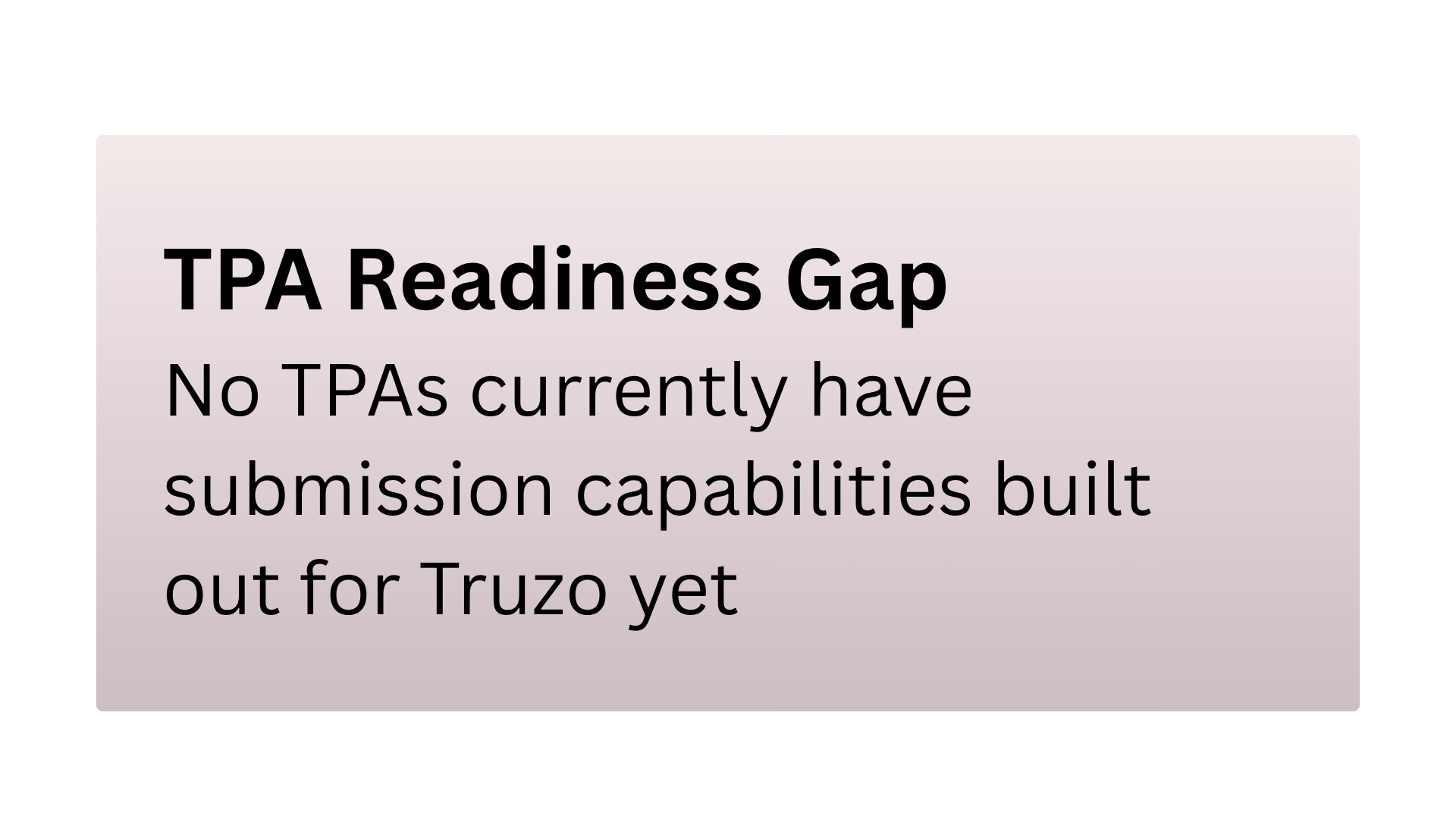
This means that for every manufacturer operating on Truzo, your team is responsible for identifying the right claims, downloading the data, and submitting it manually to a platform that sits entirely outside your existing workflow. As more manufacturers potentially move to Truzo, that manual burden compounds.
The pharmacy claims data requirements for Truzo are essentially the same as those for ESP, so the data itself is not new. The challenge is navigating which claims go to which platform, maintaining two separate submission workflows, and keeping track of which manufacturers sit where.
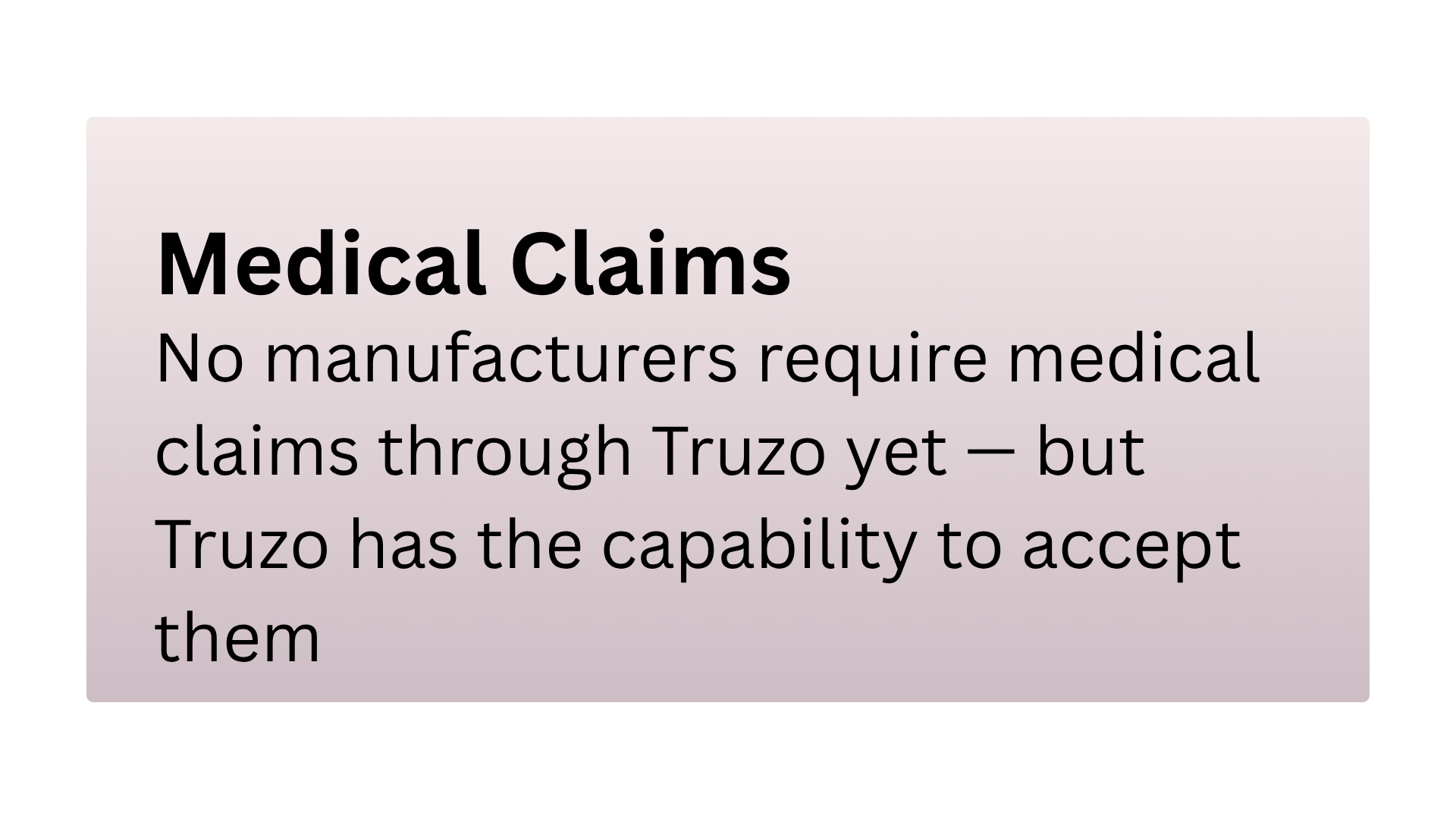
Truzo does have the technical capability to accept medical claims data. As of now, none of the manufacturers on Truzo require it. That could change, and if manufacturers who are already on Truzo begin requiring medical claims, covered entities would need to manage that through Truzo rather than ESP.
The platform landscape for 340B covered entities now includes ESP for contract pharmacy claims and manufacturer designation for most manufacturers, Beacon MFP for Maximum Fair Price rebate tracking and reconciliation, and Truzo for manufacturers who have moved away from ESP. A fourth platform, MTF, is used to find MFP refund reports by original prescription number.
Each platform serves a different purpose. Each requires separate access, separate workflows, and separate attention. The operational reality is that managing a 340B program now requires fluency across multiple systems that do not communicate with each other.
Confirm which manufacturers in your program are operating on Truzo. Check your current manufacturer designations and whether any of the manufacturers listed above have drugs in your formulary.
Get registered on Truzo if you have not already. Access to the platform is a prerequisite for submitting anything through it.
Ask your TPA specifically about Truzo. Ask whether they have built downloadable reports for Truzo submissions and what your manual process looks like in the interim.
Map your submission calendar across platforms. Know which claims are going to ESP, which are going to Truzo, and how frequently each needs to be submitted. Do not manage this from memory.
RxTrail helps covered entities inventory their platform obligations, identify gaps in TPA support, and build submission workflows that account for the full picture including ESP, Truzo, and Beacon. If you are not sure where you stand, we are glad to help you find out.

